
Thou Shalt Innovate
Following Start-Up Nation's account of Israel's incredibly prolific start-up scene, Thou Shalt Innovate tells the story of how Israeli innovation is making the whole world a better place.
Following Start-Up Nation's account of Israel's incredibly prolific start-up scene, Thou Shalt Innovate tells the story of how Israeli innovation is making the whole world a better place.
Iran's persistent headscarf protests;
A public rebuke to Rouhani;
The Islamic Republic's complicated approach to cryptocurrency;
Soleimani's star rises
Sobchak's abortive Chechnya campaign;
Israel seeks Russia's help in Syria
China's maritime build-up;
Autonomous shipping takes shape
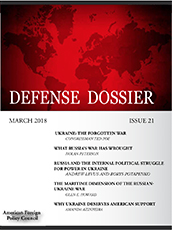
Ukraine: The Forgotten War
What Russia’s War Has Wrought
Russia And The Internal Political Struggle For Power In Ukraine
The Maritime Dimension Of The Russian-Ukraine War
Why Ukraine Deserves American Support