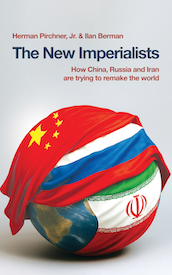
The New Imperialists: How China, Russia and Iran are trying to remake the world
Today, a new axis of autocrats is trying to reshape the world order and sideline the United States in international affairs.
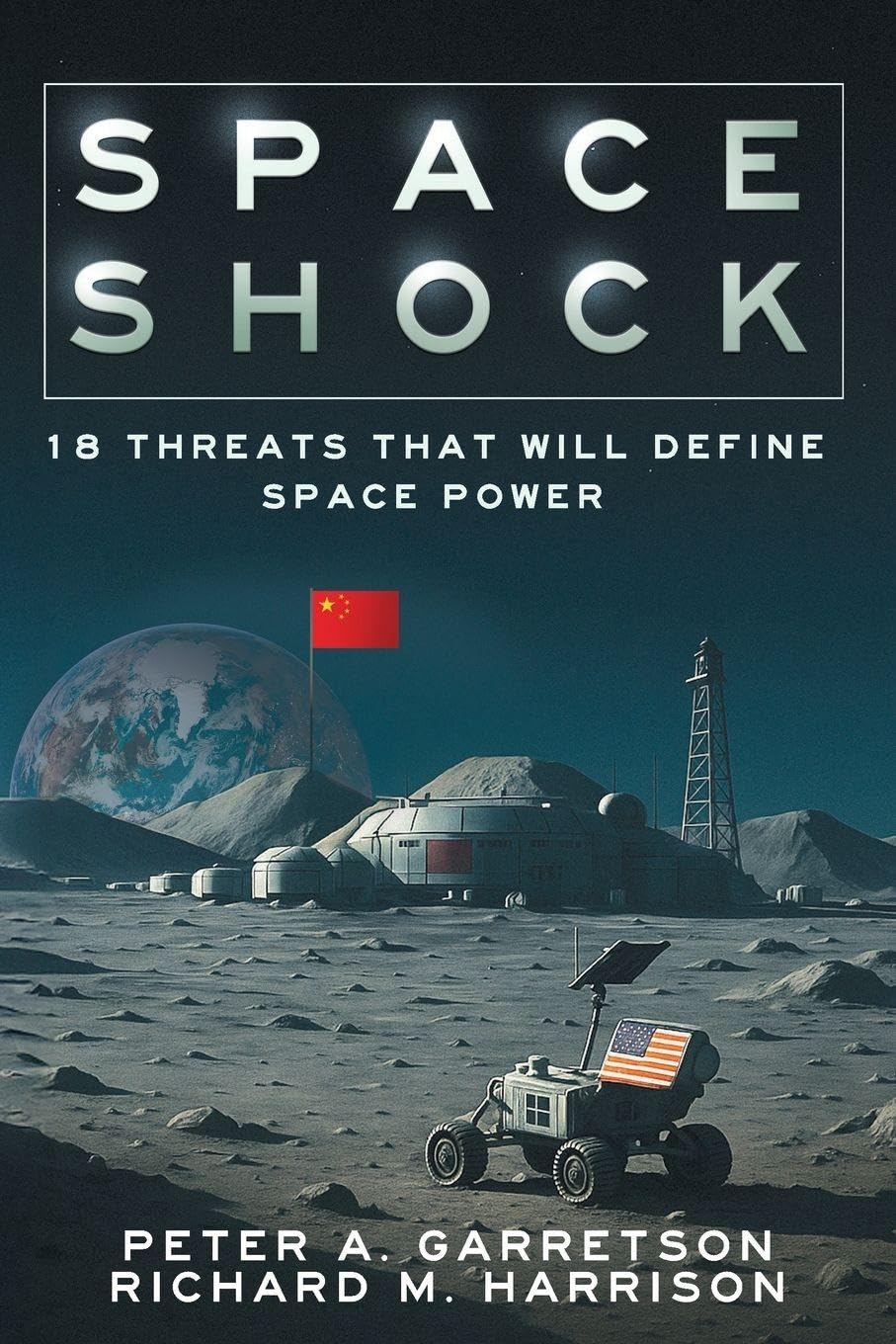
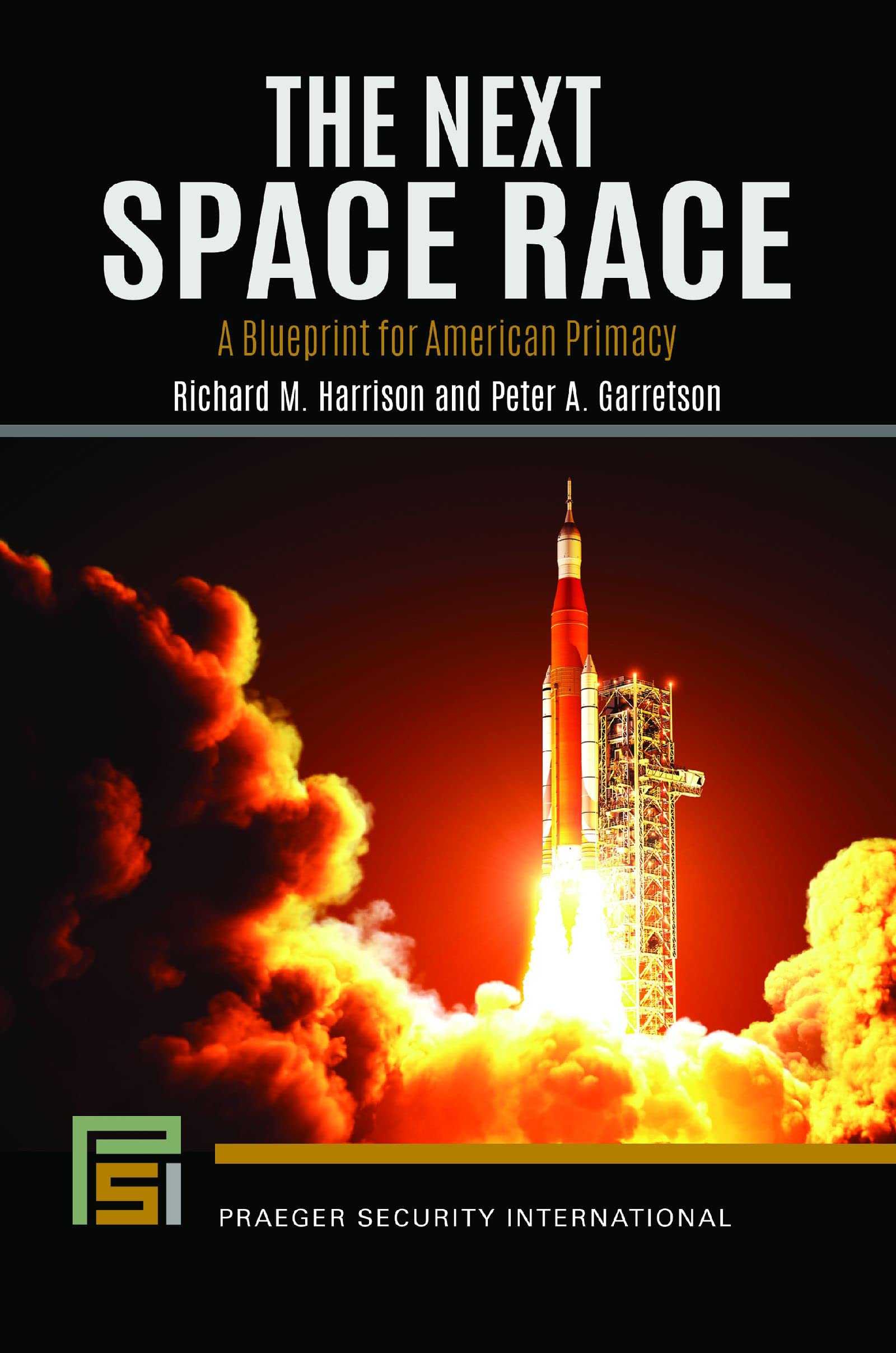
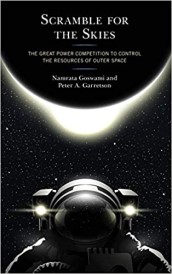
China isn't aiming for the Moon-it is planning for control of space itself. By 2045, Beijing plans to dominate a $10 trillion Cislunar economy, beam power to Earth from orbit, and mine asteroids worth quintillions.
The outcome of the Second Karabakh War is a watershed event in the modern history of Eurasia. It represents the moment of conception of a new South Caucasus, the only part of the world that borders on Russia, Turkey, and Iran. Unsurprisingly, external powers like the U.S., China, the EU, India, and the GCC states are all taking greater interest in its future.
For decades, the Greater Middle East has been a leading challenge to American foreign policy. This vast region - ranging from North Africa in the west to Afghanistan in the east, and from the borders of Central Asia down to the Horn of Africa in the south - has been a cauldron of turmoil that has affected not just American interests, but generated threats to the American homeland.
The United States is in the midst of a new cold war with the Chinese Communist Party (CCP), and America is losing.
The geopolitical environment surrounding Central Asia and the Caucasus has changed dramatically over the past decade, with important implications for American and European interests. Regional and great powers have accorded the region ever greater attention, and the regional states themselves have developed a greater agency in responding to the geopolitical challenges confronting them. European, and in particular American, perceptions of the region have not kept up with these changes and are in need of updating.
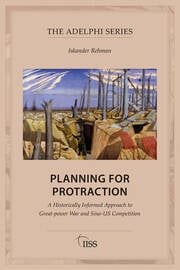
As Sino-US relations have deteriorated, concerns have grown in Washington over its ability to defeat China in a major conflict.
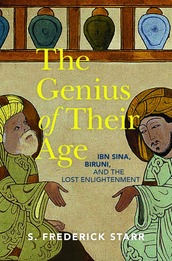
ted the works of Ibn Sina and Biruni, S. Frederick Starr focuses also on their lives and the times in which they lived. By contextualizing their work and by making the age palpable to the reader, S. Frederick Starr gives the achievements of Ibn Sina and Biruni a holistic and unforgettably human dimension.
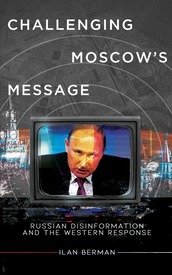
In CHALLENGING MOSCOW'S MESSAGE, Ilan Berman examines the strategic logic underpinning Russia's extensive use of propaganda and disinformation, and evaluates the effectiveness of the institutions erected by a range of Western governments over the past decade in response.
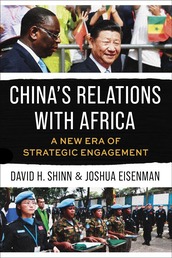
Since Xi Jinping’s accession to power in 2012, nearly every aspect of China’s relations with Africa has grown dramatically. Beijing has increased the share of resources it devotes to African countries, expanding military cooperation, technological investment, and educational and cultural programs as well as extending its political influence.
If China's space ambitions continue unchallenged, America will be seriously economically and militarily disadvantaged. This book provides a comprehensive strategy to secure U.S. primacy in the space domain.
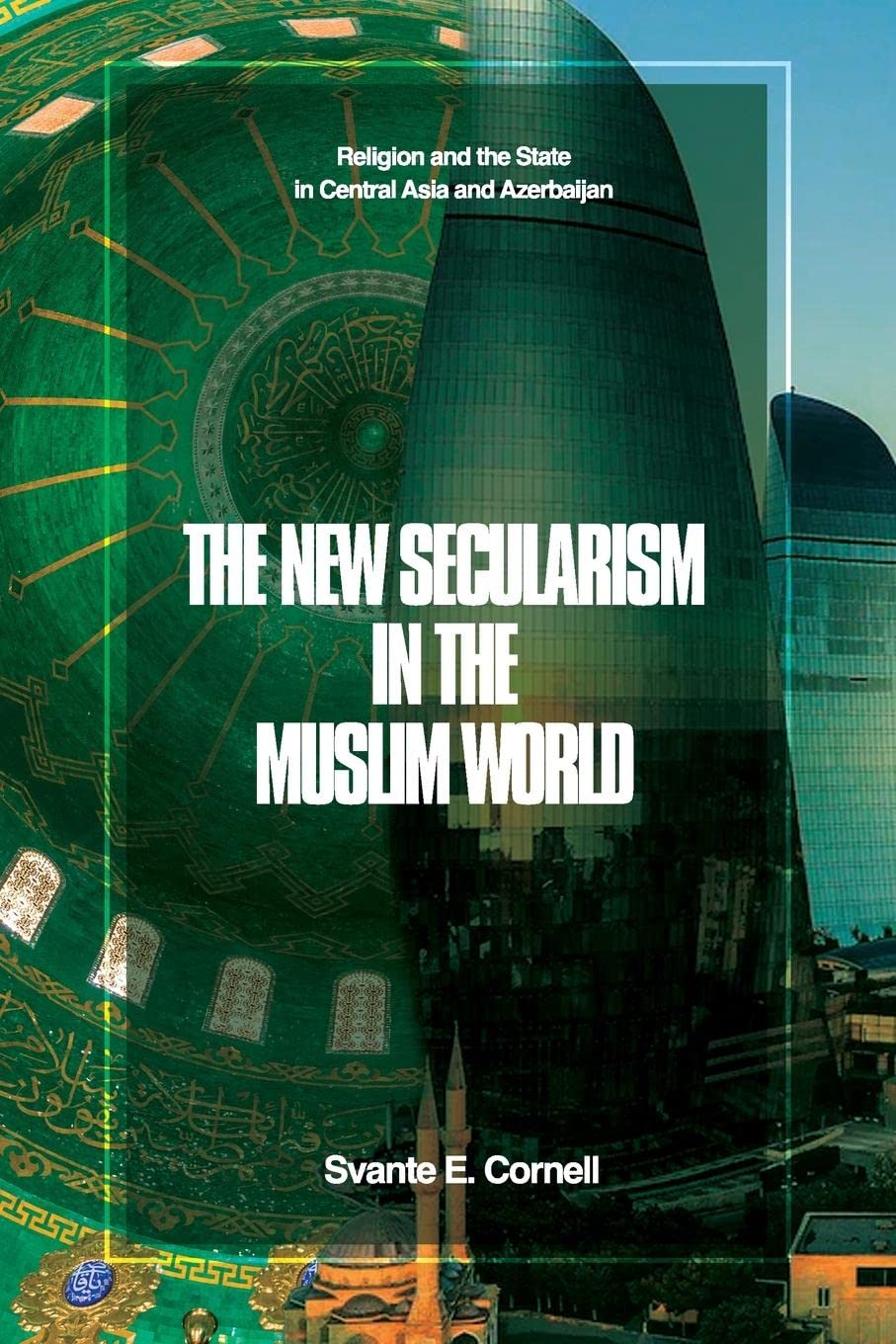
Across the Muslim world, religion and politics have become increasingly mixed in the past century, with devastating consequences. But there are signs that the ascendancy of political Islam may be coming to an end.
The United States Space Force, the sixth branch of the armed forces, will soon play a leading role in American foreign policy and will be necessary to protect its economic, political, and social interests at home and abroad.
This work explores the current state of the “wars of ideas” against radical Islam and identifies America’s potential partners in this fight.
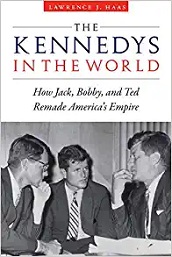
The Kennedys in the World tells a new, rich, fascinating, and consequential story about Jack, Bobby, and Ted Kennedy.
Recently sent to publishing house Rowman & Littlefield, the fifth edition of the World Almanac of Islamism has been completed.
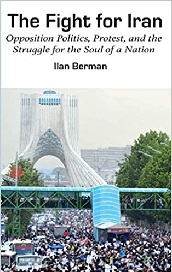
Today, more than four decades after its founding, the Islamic Republic of Iran is arguably at the weakest point in its history.
With a focus on China, the United States, and India, this book examines the economic ambitions of the second space race.
Now in apparent robust health, Russian President Vladimir Putin (age 66) could remain in power for another decade or even longer.